Hacked by CoupDeGrace
Greetz:
Hmei7, BrokenPipe, SimSimi, L4663r666h05t, AntonKil, d3b~x, Index Php, Mdn_Newbie, Sultan Haikal, Brian Kamikaze

When your platform starts flagging churn, predicting deal closures, and building automation sequences before you ask, the question isn’t whether the AI works. It’s whether the humans behind it are ready.
You turned on ActiveCampaign’s AI features because the promise was compelling: less manual work, smarter campaigns, better results without adding headcount. What most marketing teams discover six months later is that the AI didn’t reduce the workload – it raised the bar for what the humans directing it need to know.
(more…)
Walk down any grocery aisle and it hits you fast. Chips promise 20 grams. Cookies flex their macros. Water somehow contains protein now.
The protein marketing trend is everywhere – and if you run marketing for a food, beverage, wellness, or retail brand, you cannot ignore it.
You see it in Super Bowl ads, convenience store fridges, TikTok recipes, and fitness memes. Protein has moved from niche bodybuilding culture into the center of mainstream lifestyle branding. It is now a primary driver of how brands communicate value.
The question is not whether it is real. The question is how you respond to it in a way that drives sales without burning trust. Because food trends come and go – but this one has structural staying power, and the brands that understand why will outlast the ones chasing the label.
(more…)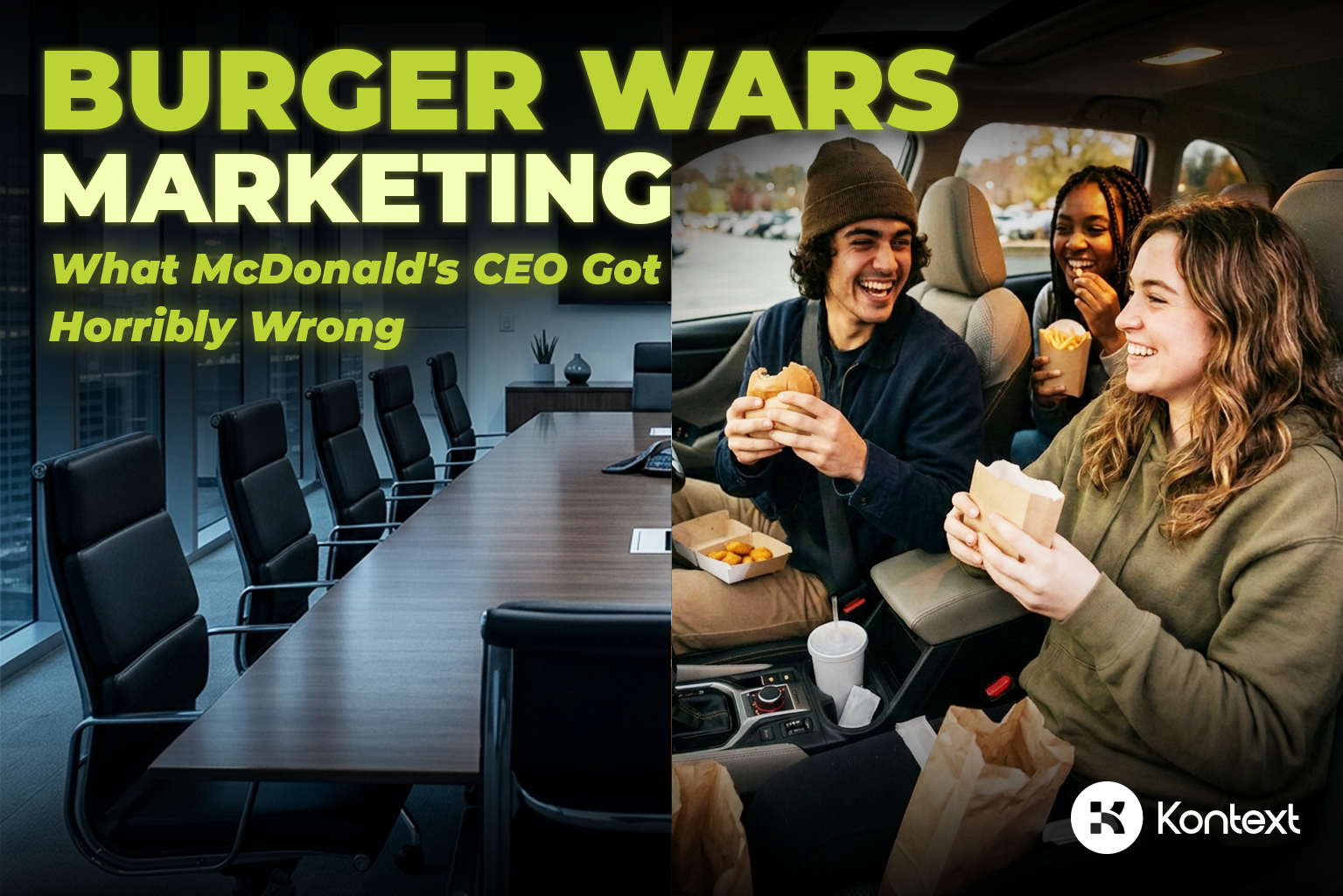
A masterclass in brand authenticity, real-time marketing, and why your “polished” corporate content might be quietly killing your audience connection.
A Fortune 500 CEO films himself eating a burger. It goes viral for all the wrong reasons. Within 48 hours, three rival brands had turned his awkward moment into free global press — and one of them did it without putting a single human on camera.
That’s not luck. That’s a deliberate, fast-moving marketing strategy. And if you lead marketing for a mid-market business, there are tactics in this story worth copying today.
(more…)
If you are Googling Agent Force Vibes tutorial right now, you are probably in one of two camps. Either your Salesforce team is under pressure to ship faster and you are wondering if AI can help. Or you have already seen a few flashy demos and you want a real, step by step Agent Force Vibes tutorial that goes beyond marketing fluff.
You will get both here. This is a clear Agent Force Vibes tutorial you can actually follow to get started. We will also provide practical guidance on how to use it safely across your Salesforce orgs without turning your stack into spaghetti code.
(more…)
Two brands. Similar budgets. Wildly different outcomes.
In Germany, supermarket giant Edeka launched a Mother’s Day ad with the tagline: “Mum, thank you for not being dad.” It showed bumbling, incompetent fathers and saintly, long-suffering mothers. The brand probably thought it was funny. Relatable, even. Instead, it became a textbook case of harmful gender stereotyping – cited in trade press, regulatory guidance, and agency briefings across Europe to this day.
Around the same time, Apple ran a campaign called “Celebrate Whoever You Call Mom.” No stereotypes. No “incompetent dad” punchline. Just real people, real caregivers, real relationships. It was shared widely, praised across markets, and held up as an example of what modern brand storytelling looks like when it actually understands its audience.
The gap between those two outcomes isn’t really about creative quality. It’s about something more fundamental: one brand was still operating on a 2010 understanding of its audience, while the other had moved on.
(more…)
Every year, the Super Bowl runs the world’s most expensive marketing experiment in public. Brands spend $8 million for 30 seconds of airtime. The results are fully visible: what worked, what didn’t, and exactly why.
Most mid-market CEOs look at those numbers and conclude the Super Bowl has nothing to teach them. The budgets are incomparable. The audiences are different. The stakes don’t apply. That conclusion is wrong and expensive. The failures at Super Bowl LX had nothing to do with budget. Brands with unlimited resources still lost because of structural problems that show up in campaigns at every scale: unclear value propositions, no direction for the audience, technology positioned ahead of human outcomes, all energy concentrated on a single moment with nothing built around it.
The principles that separated winners from losers are directly transferable. Whether you’re spending $8 million or €50,000. Here’s what the data shows, and what to do about it.
(more…)
You feel it every day. New AI tools drop every week, your inbox is full of hype, yet your campaigns and workflows still look pretty similar to last year.
You want to accelerate AI marketing adoption so you can save time, lower costs, and win more deals. But your people are busy, a bit skeptical, and honestly a little tired of big transformation projects.
The gap is not tools. It is human behavior.
That is actually good news. It means you can accelerate AI marketing adoption with a clear playbook, not a giant tech overhaul.
Here is the uncomfortable truth most vendors will not tell you: research shows successful technology adoption follows the 30-40-30 rule—30% technology, 40% change management, and 30% data foundation. Most AI adoption initiatives fail because they focus too heavily on technology without adequate attention to organizational change and data quality.
You do not need to buy expensive software to see a change. You need to shift how your team approaches their daily tasks.
This guide walks you through that playbook.
(more…)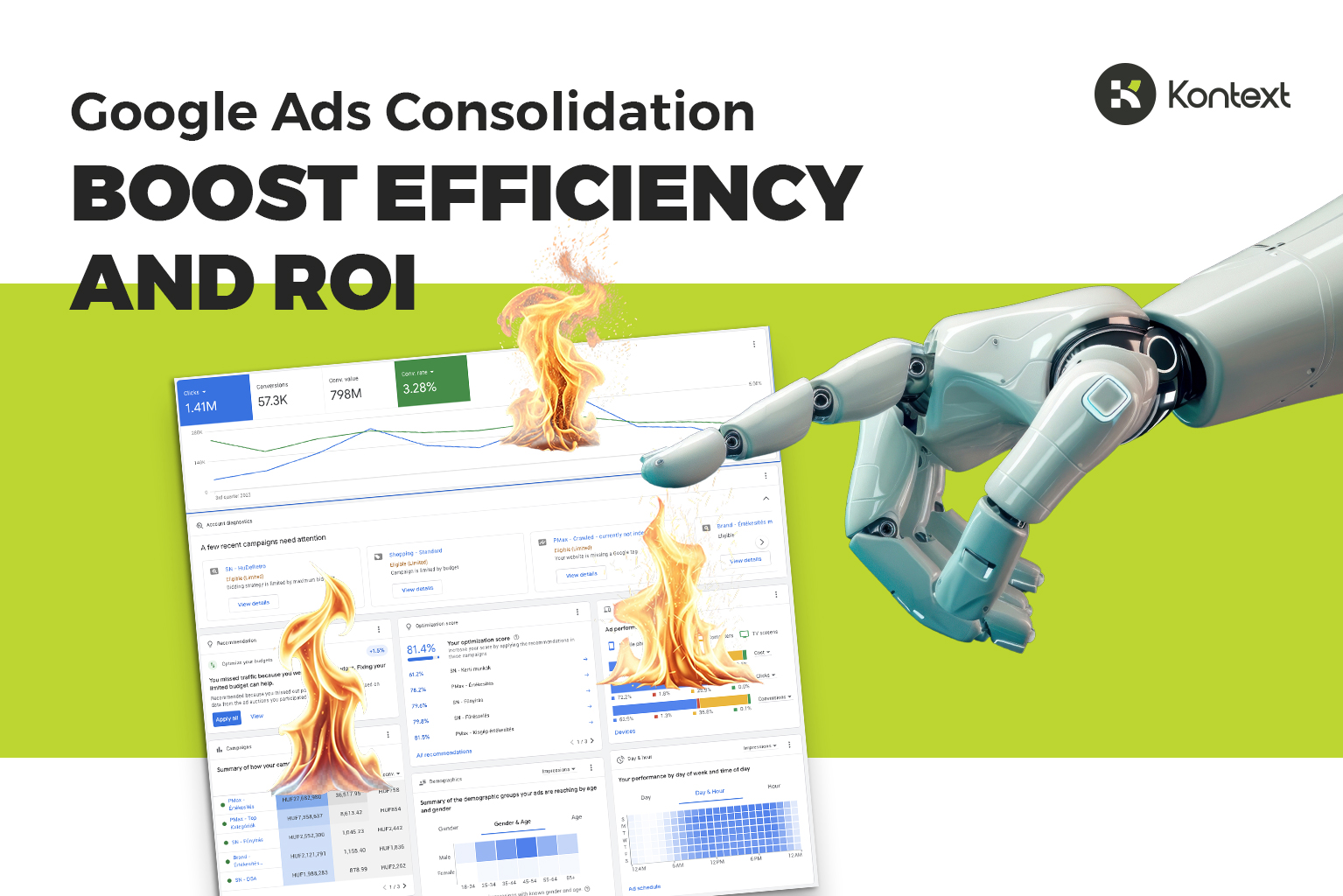
Managing a massive Google Ads account used to feel like a badge of honor. Advertisers often equated complexity with sophistication, building structures that required hours of daily maintenance.
The way we build Google Ads campaigns has changed dramatically. What worked five years ago simply does not perform well anymore.
Many advertisers still cling to those hyper-segmented account structures. You know the ones with thousands of ad groups and endless keyword variations.
Those structures made sense when we had manual bidding and limited automation. However, technology has evolved, and so should our approach to Google Ads consolidation.
(more…)